The Future of School: Learning with Purpose, Designing for Change
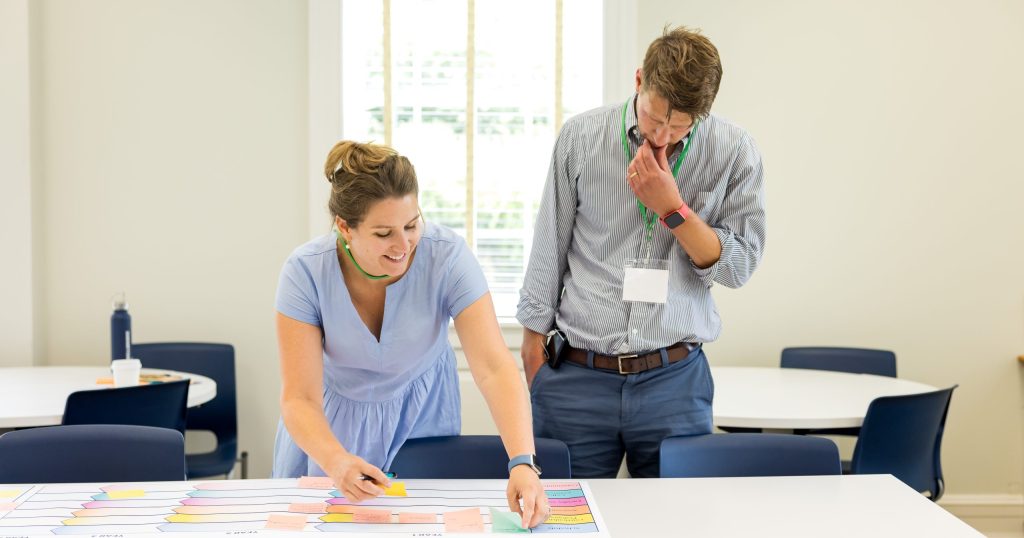
We spend a great deal of time optimizing the machinery of school — refining curricula, tracking outcomes, modifying schedules, reporting on performance. But how often do we pause to consider whether we’re moving in a direction that best serves our students?
This gathering is an invitation to think more deeply — and more meaningfully — about the purpose of education at a moment when nearly everything about the future feels uncertain. Artificial intelligence is reshaping the workplace faster than our syllabi can keep up. Pursuing a college degree requires more money than ever before, without a guaranteed return on investment. And students are arriving in our classrooms asking, in one way or another: what is all of this for?
How do we address these tensions? How do we design schools that are honest about what the future demands — and courageous enough to change? These are the questions at the heart of this symposium.
Lodging available at the Farmington Inn.
Register five or more people from one school, receive a 20% discount per person! Email Leahanne Fenton for details.
Symposium Themes
The world students are entering looks fundamentally different from the one most educators were trained to prepare them for. What are the responsibilities of schools in this uncertain time?
Guiding questions for this theme include:
- In a world where AI is reshaping work faster than schools can respond, what does it actually mean to prepare students — and which human skills matter most and how should we cultivate them?
- What do students need to thrive in a world we can’t fully predict — and are we effectively preparing them?
At its core, this symposium is asking a question that educators rarely get to sit with long enough: what is the purpose of a high school education, and are we building toward it? This theme invites sessions that grapple honestly with the deeper why behind what we do — including what success after high school actually looks like and whether the paths we recommend truly serve students.
Guiding questions for this theme include:
- What is a high school education for?
- What does it mean to be educated, and is that what we’re actually building toward?
- What does success after high school look like, and what types of pathways best serve students?
Approaches to assessment and learning design significantly shape student experiences — what we choose to measure, and how we measure it, tells students more about our values than anything we put on a syllabus.
Guiding questions for this theme include:
- What would it look like to design learning around genuine competency rather than compliance — and what would we have to let go of to accomplish this?
- If our assessments told the whole truth about what students know and can do, what would change?
- What types of systems, structures, or practices can we design to give students meaningful opportunities to demonstrate their understanding and application of content and skills?
What happens when students become the authors of their own learning? This theme explores what it looks like to move toward learning environments where student agency is real, structural, and consequential.
Guiding questions for this theme include:
- What happens when we treat students as the authors of their own learning?
- What systems, structures, and practices make genuine student agency possible?
- How do we move from compliance-driven classrooms to learning environments where student agency is real, not just rhetorical?
Featured Panel: The College Question
In addition to breakout sessions, the symposium will include a curated panel discussion on a pressing question in secondary education today: Is a four-year college degree still the right default destination for our students?
This panel will bring together a range of voices to surface honest perspectives on what comes after high school and what role schools should play in expanding the conversation.

Featured Speakers and Session Presenters
Director of Professional Development and English Faculty, George School

Director of Global Learning in the Teaching & Learning Department, Boston Public Schools
Director of Teaching & Learning, Holland Hall
Cofounder, Tools at Schools and Rewind Reset Forward

World Languages Program Director, Boston Public Schools

Chair of Creative Technology, Marymount School of New York
Keep in touch


